Showcase keyboard and mouse image

Ademar Alexandre Brehmer Rohregger, MBA & BEng Electrical/Electronic Engineering

Address: London, ON N5V 2E8, Canada
Personal Details: Married, Born in Itajai – SC Brazil
+1 (226) 503 4706

Software Engineer - Control Engineer - Automation / Electrical / Electronic Engineer - Computer Engineering - Computer Vision and AI Engineer
  • Over 15 years of basic and executive project experience
  • Over 36 years of technical background
  • Over 26 years of automation / electrical / electronic engineering experience
  • Over 11 years of IT experience
Showcase keyboard and mouse image

PROFESSIONAL EXPERIENCE

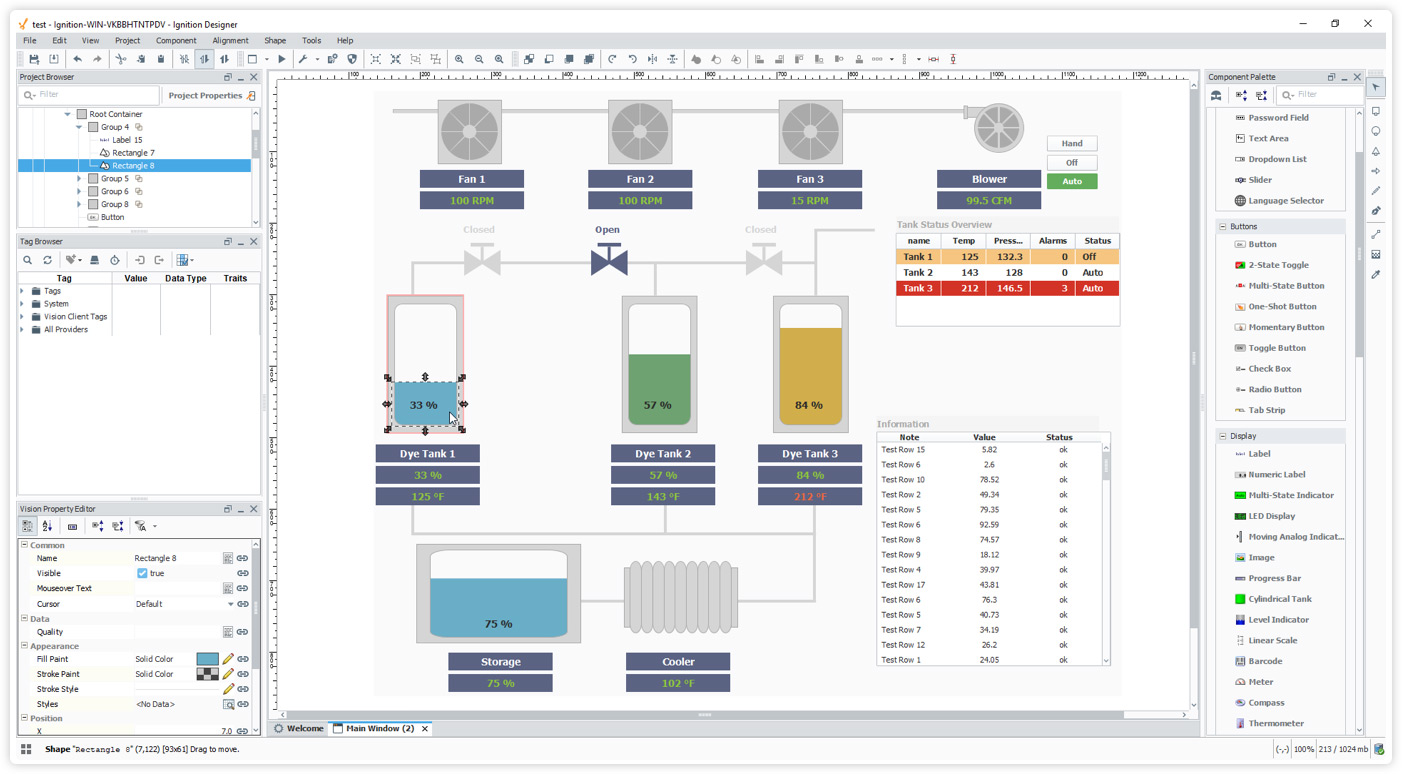
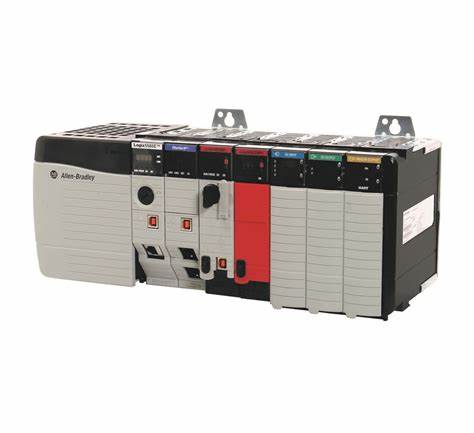
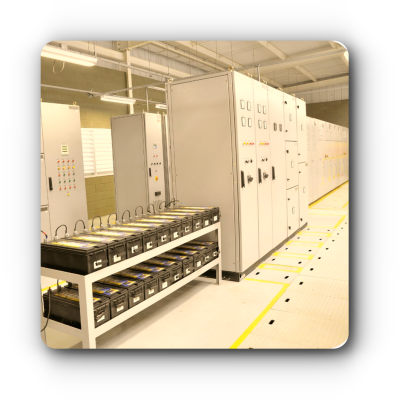
Ignition Software Screenshot PLC Hardware Image

Automation / SCADA / Software Engineer / Control Engineer / Manufacturing Engineer / Ignition Software Engineer / Vision System Engineer
Bringing together expertise in AI, automation, and industrial control, this skill set covers a broad range of advanced technologies used in modern manufacturing environments. As an AI solutions developer, the focus is on implementing machine learning, computer vision, and statistical process control in real-time production lines, with an emphasis on edge computing using NVIDIA Jetson devices. In parallel, there is strong experience developing Microsoft Power Platform applications—Power BI, Power Automate, and Power Apps—seamlessly integrated with MS SQL, Ignition SCADA, and ERP systems to enable data-driven decision-making and automation. On the industrial automation side, proficiency includes programming Allen-Bradley ControlLogix and CompactLogix PLCs for high-throughput systems, managing up to four lines with over 130 stations each. This is complemented by HMI development using PanelView and advanced SCADA solutions through Ignition Vision and Perspective. Vision system engineering experience spans barcode and smart camera integration with Cognex, Keyence, Fanuc iRVision, and OAK-1 Max neural cameras. The scope of work also includes robotic integration, deployment of commercial vision systems for inspection and traceability, structured logging of process data into databases, and seamless communication with industrial devices to enable real-time monitoring and advanced analytics using Python and data visualization platforms.

Embedded / Edge Engineer / Power Electronics Engineer, Electronic Development Engineer
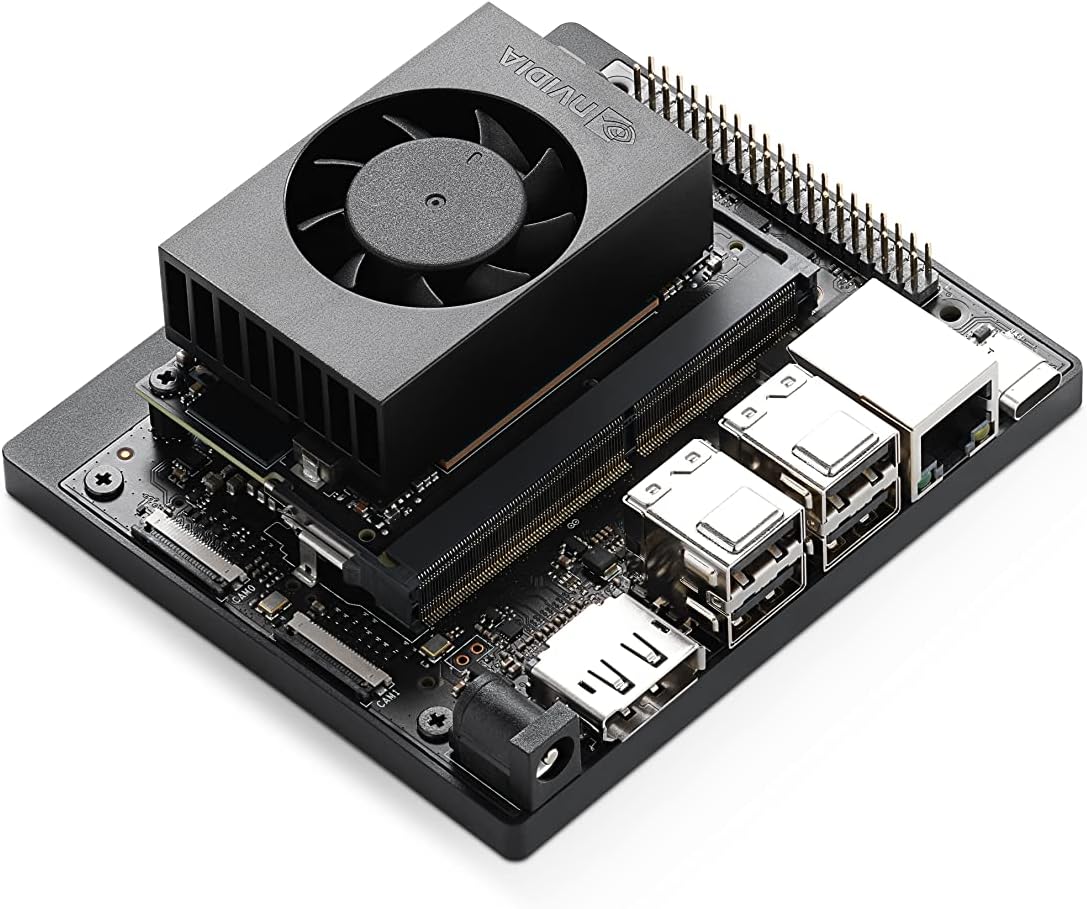
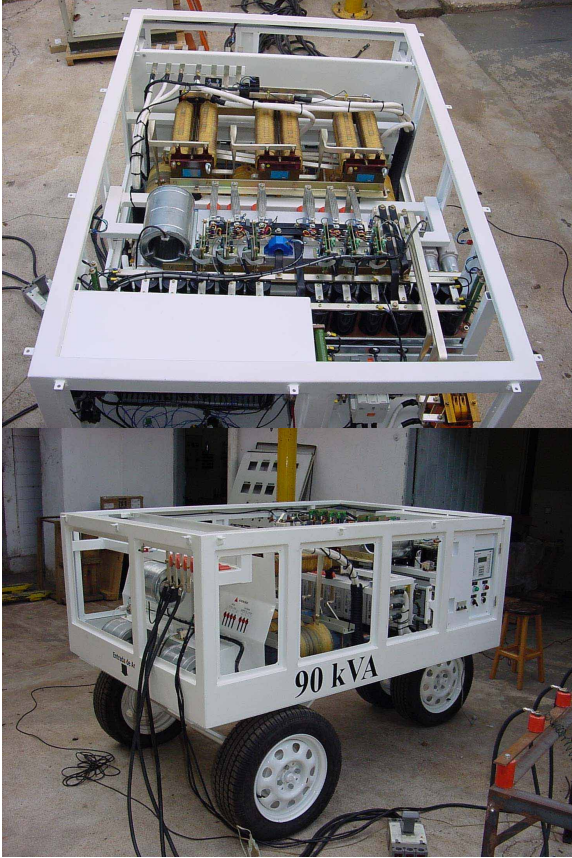
With a strong foundation in electronics engineering, this profile covers the entire product development lifecycle—from initial concept and proof of concept to prototyping, firmware development, and final product validation. More than 50 embedded products have been successfully developed, incorporating analog and digital signal acquisition, voltage and current sensing, digital and analog I/O, and robust power supply designs. These devices often include communication interfaces using standard industrial protocols and gateway chips for seamless integration into broader automation systems. Experience includes not only hardware and firmware design but also execution of type tests, field trials, detailed documentation, operation and maintenance procedures, and ongoing product revision control. As a product engineer, responsibilities extend to full lifecycle support—continuously upgrading devices and maintaining their reliability and performance in the field. Power electronics is another core strength, with hands-on experience designing and commissioning various DC-DC converters, including both buck and boost topologies. Expertise spans across power stages for controlling generator field excitation, Graetz thyristor bridges for high-current applications, and full H-bridge drivers for AC squirrel cage motors, industrial crane DC motors, and brushless DC motors. A notable highlight includes the development and successful deployment of a 90/120 kVA 400 Hz aviation-grade power supply, converting standard 60 Hz input for aerospace ground support. High-precision analog design using operational amplifiers is a consistent part of the design methodology, ensuring low-noise signal conditioning and stability. All designs are approached with a focus on EMI compliance and certification standards to meet rigorous industrial and aerospace regulations. Complementing the hardware expertise is a focus on edge computing, particularly using NVIDIA Jetson AGX Orin and Jetson Super Nano platforms. These devices have been used to implement a dozen machine learning solutions, primarily focused on supervised learning algorithms tailored for computer vision and black box system identification. Applications include real-time defect detection, tool tracking, and process monitoring in production lines. The integration of AI models directly on embedded Jetson platforms ensures low-latency, high-accuracy performance in constrained environments, supporting both standalone and networked industrial applications.

📄 Public Article Associated: cavalcante_COBEP01.pdf

Nvidia Jetson

90 kVA 400 Hz Aviation Static Power
Prototyping
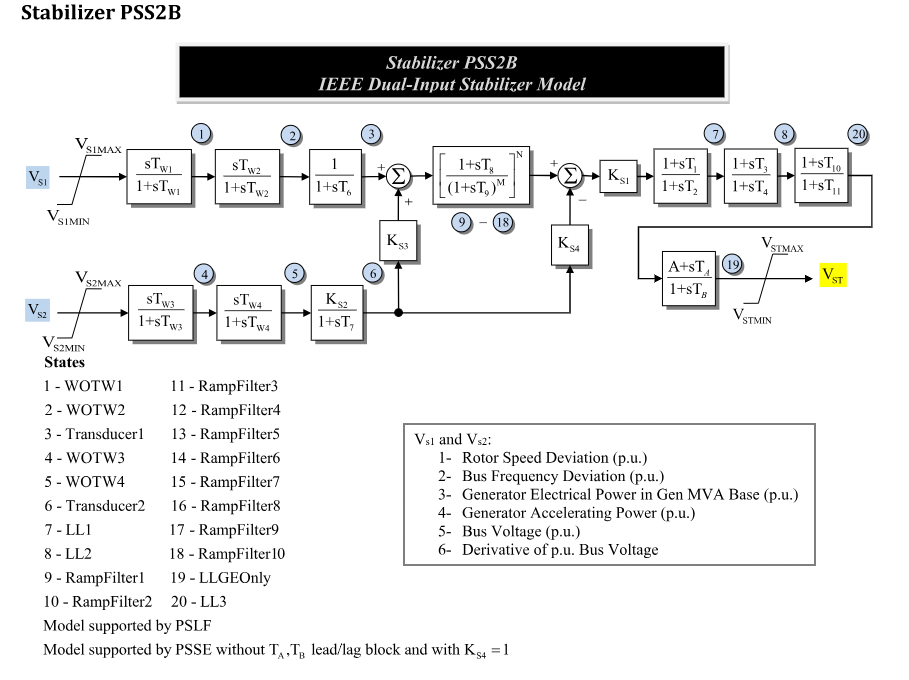
 Static Power System Stabilizer

Control System Engineer
Extensive control systems expertise spans both classical and advanced modern techniques, applied across diverse industrial and embedded environments. Skills include implementation of PID, feed-forward, lead-lag compensators, state-space models, LQR, model predictive control (MPC), Smith predictors, adaptive systems, sliding mode control, and optimal control strategies. A wide range of AI-enhanced control approaches have also been applied, including expert systems, fuzzy logic, genetic algorithm-based optimizers, reinforcement learning, and black-box system identification. Nonlinear discrete-time control systems and white-box identification techniques—such as least squares and correlation-based methods—were thoroughly explored and validated. These control models were first developed and simulated in Labview, MATLAB, Scilab environments and customized programs, then discretized via Z-transforms for real-time deployment in microcontrollers, DSPs, and embedded processors, typically using periodic sampling via timer-based interrupts. A variety of IEEE standard and experimental control algorithms have been implemented and tested under real-world constraints, ensuring stability, robustness, and responsiveness in both low-latency and high-dynamics environments. Mathematical foundations supporting these implementations include numerical methods, stochastic process modeling, vector-space representations, and complex domain analysis. Control strategies were optimized not only for precision but also for resource constraints typical in embedded systems, resulting in efficient, scalable, and high-performance applications. This fusion of theoretical rigor and practical deployment enabled adaptive and intelligent control architectures suited to dynamic industrial systems, robotics, and high-speed mechatronic applications.

Power System Engineer
With over 20 years of experience in power systems, my background covers the design of electrical substations—including electromechanical systems, automation, SCADA, and electrical installations—along with owner’s engineering, control panels, protection systems, generator excitation systems, and hydro turbine speed governors. This includes both hardware and software development for regulation systems. Proven success in implementing steam turbine, photovoltaic (PV) solar, and wind farm projects further demonstrates strong capabilities not only in electrical engineering but also in leading multidisciplinary teams. Expertise extends to short-circuit and protection coordination studies, load flow analysis, transient stability assessments, and insulation coordination. More than 50 power plant installations and startups have been executed under my technical supervision, from equipment parameterization to hands-on site engineering. Deep familiarity with specification, procurement, factory acceptance testing (FAT), and successful project integration with hydroelectric utilities reinforces a well-rounded, end-to-end project delivery skill set. Feasibility studies for small hydro and PV solar systems are also a core part of my portfolio, including thorough evaluation of technical, economic, and regulatory conditions. Plant integration with existing operational and generation centers has been accomplished seamlessly, ensuring optimized system performance. Additionally, Level 2 and Level 3 SCADA integrations for remote operation have been deployed across multiple sites, enabling centralized control and monitoring. Hands-on experience with leading power system devices—including ABB, SEL, GE Energy, Reivax, and others—ensures effective multi-vendor system integration and reliability.

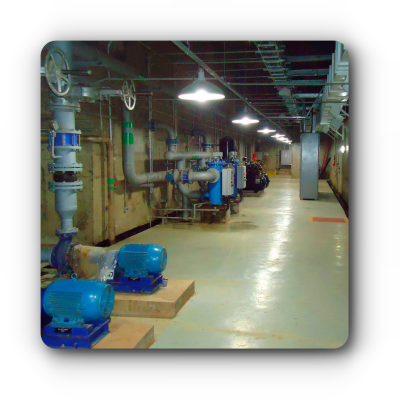
POwer Plant Equipments
 Power Plant Equipments
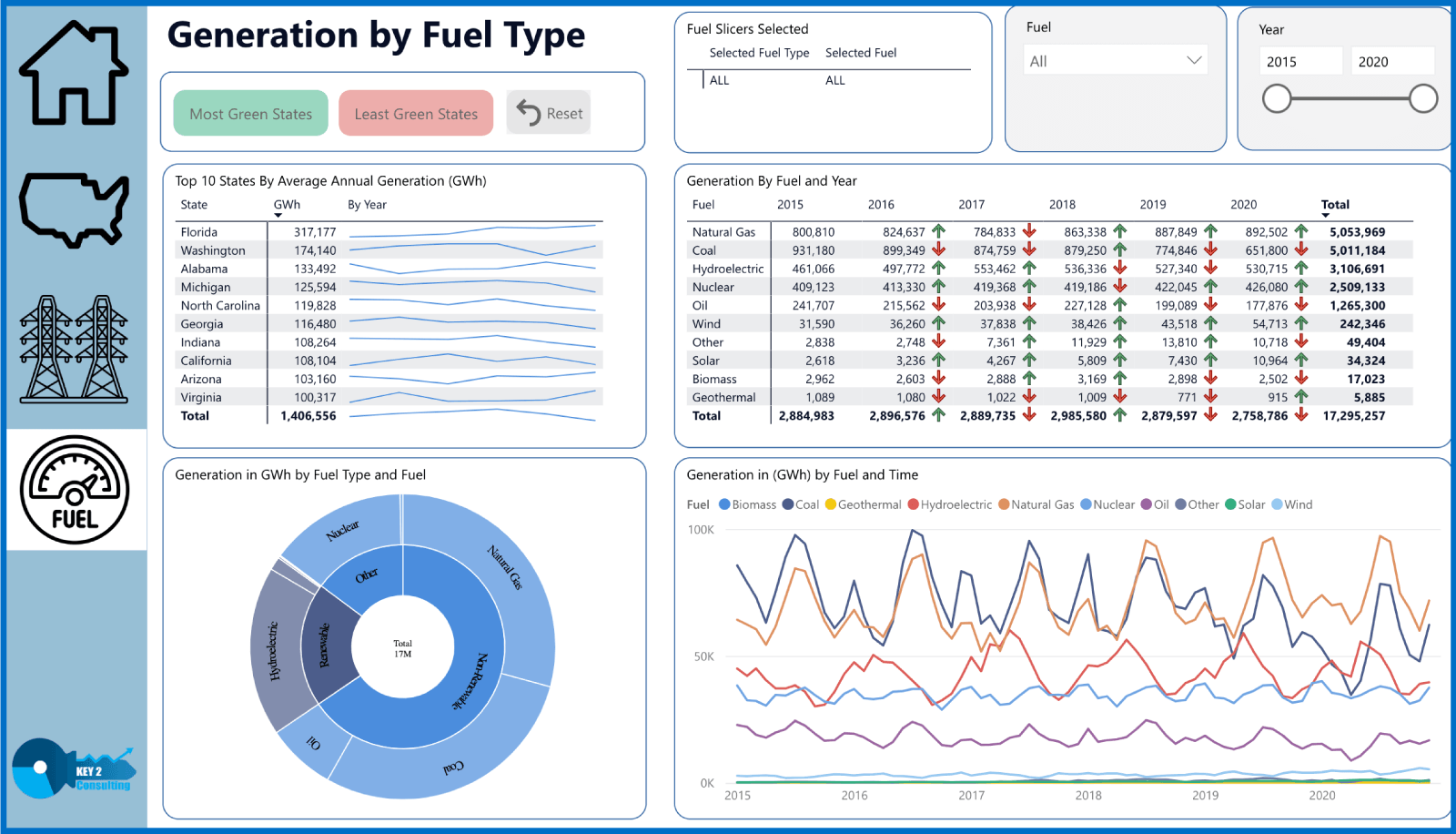
Power BI

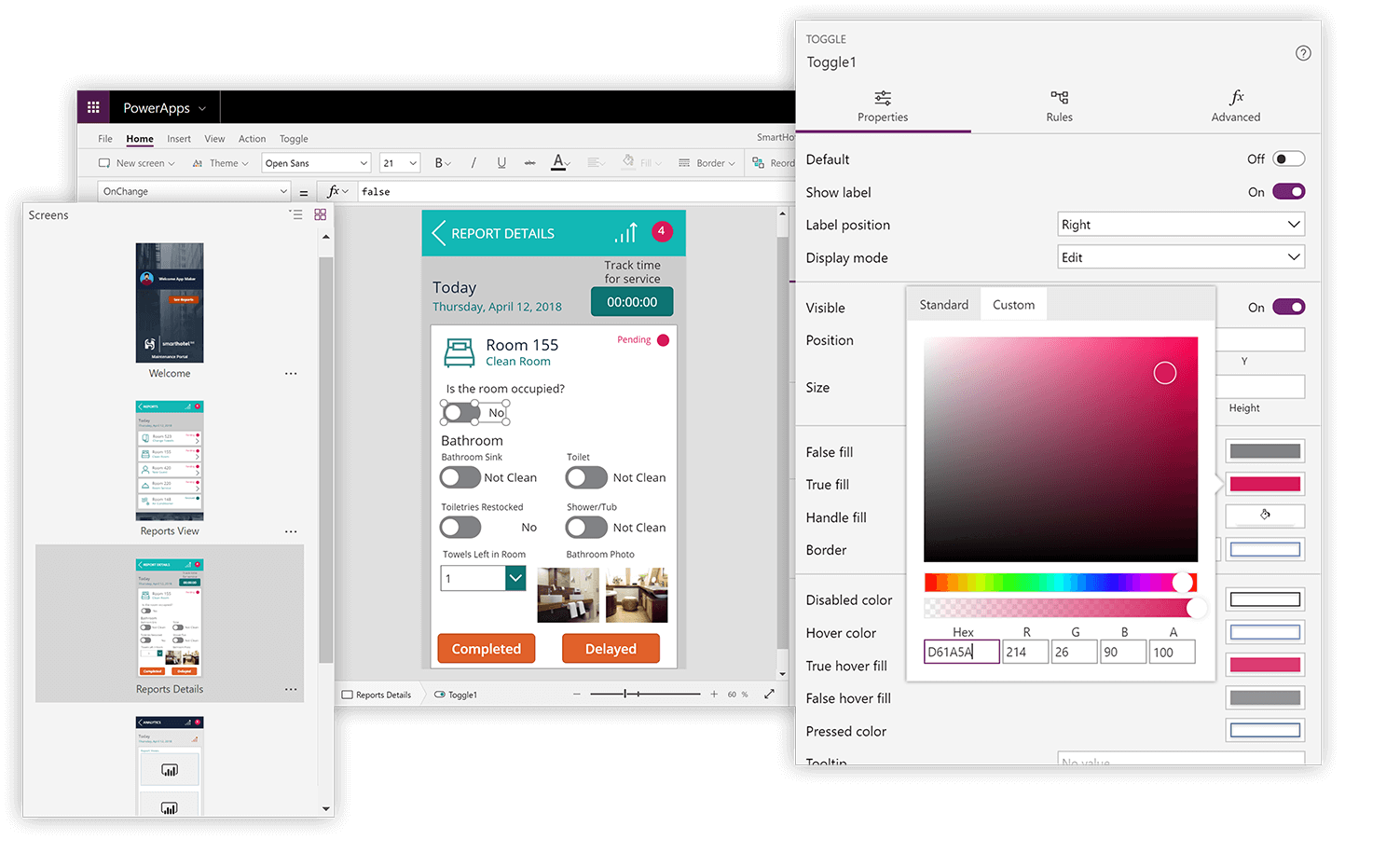
 Power App

SW Architect
A structured and methodical approach is applied from the moment a customer presents a request or highlights a problem. The process begins with a thorough analysis of all technical and operational factors, requirements, and constraints. Feasible solutions are evaluated in terms of performance, cost, compatibility, and implementation complexity. A conceptual design is then created from scratch, often in the form of a functional presentation or prototype, clearly outlining system behavior, expected outcomes, and integration points. Agile and Scrum methodologies guide the collaborative development phase, involving developers, stakeholders, and end users through iterative sprints, daily stand-ups, and feedback loops. Functional demos are scheduled for early validation and customer approval before deployment. After implementation, the system is handed over with full operational documentation and periodic maintenance routines scheduled to ensure long-term reliability. Throughout the process, strong emphasis is placed on ensuring seamless communication and compatibility with all existing plant systems, including ERP platforms, CMS, SCADA systems, edge computing devices, industrial databases, and other administrative tools. Every project includes the design and configuration of automatic data logging, performance dashboards, and reporting systems that support both operational and management needs. Tools like Microsoft Power BI are used to create real-time visualization dashboards; Power Apps enable field-level mobile interaction; and Power Automate orchestrates task automation and workflow execution. These solutions are deployed over Microsoft Dataverse and Azure Fabric environments, providing cloud scalability, centralized control, and secure access across departments. This end-to-end integration ensures each solution contributes to a fully connected, intelligent plant ecosystem.

Education

2011-2013
Getulio Vargas Foundation (FGV)
Master in Business Administration (MBA) - Electric Sector Executive Management

Description:
Main subjects: Financial calculus, regulation standards, energy tariff calculation, project management, renewable power generation, energy trading, environmental management, cost and price management, corporate governance

Undergraduate thesis: World Power Generation Incentives

2001-2002
Universidade Federal de Santa Catarina (UFSC)
Master of Science (MSc), Control & Electrical Engineering (Not completed)

Description:
Main subjects: Linear systems, RTOS in embedded systems, artificial intelligence (neural networks, specialist systems, fuzzy logic, genetic algorithms, distributed computing), PID tuning, predictive control, non-linear systems (introduction), space state control, adaptive control, optimal load flow, AVR and governors for power generation, power systems stabilizer, transmission lines, power systems dynamic control, power systems static stability

Undergraduate thesis: Adaptive AVR for Synchronous Generators

1995-2000
Universidade do Estado de Santa Catarina (UDESC)
Bachelor of Engineering (BEng), Electrical/Electronic Engineering

Description:
Main subjects: Integral and differential calculus, linear algebra, advanced physics, electric circuits, electronic circuits (including op-amps), digital and microprocessor logic, telecommunications, linear systems, linear control systems, power electronics, power generation, power systems, transmission lines, electromechanical devices and circuits, electromagnetism, industrial automation, industrial informatics, economic fundamentals, scientific method

Automation Lab Scientific Initiation Scholarship (1996-1998)

Undergraduate thesis: Power Systems Stabilizer Design and Deployment

1999-2020
Conselho Regional de Engenharia e Arquitetura (CREA-SC / CONFEA) - Brazil Engineering Association and Regulation

Work Collection:

  • Over 30 small hydropower plants
  • Industrial automation
  • Electrical design
  • Operations and maintenance

Scientific Articles

April/2014
"O Setor Elétrico" National Magazine - Article (Pages 76-85)
October/2013
XXII SNPTEE - National Seminar on Electricity Production and Transmission - Brasília/DF
August/1999
XI Scientific Initiation Meeting - UFRGS - Porto Alegre/PR
July/1999
IV Scientific and Technological Initiation Seminar - CEFET - Curitiba/PR
Stochastic Method for Identifying Systems - PRBS with Cross-Correlation Equation
June/1999
XIV Regional Congress of Scientific and Technological Initiation in Engineering - CRICTE - UFSM - Santa Maria/RS
Using Labtech Control Pro in Control Theory Teaching

Languages

  • English: Fluent
  • Portuguese: Native
  • Spanish: Threshold
  • French: Breakthrough

Phone Number / Skype ID

+1 (226) 503 4706 / ademar.rohregger

Email

ademar.rohregger@gmail.com

Address

London, ON - Canada
Profile Picture